

Your Route to the Best E-Scooter
If you’ve found your way here, chances are you’re as intrigued by the world of electric scooters as I am. Or maybe you’re just starting to dip your toes into this exciting realm. Either way, you’re in the right place! This guide is designed to help you navigate the ins and outs of electric scooters, from their unique features to the factors you should consider before buying one. So, let’s dive right in, shall we?

A Brief Overview of Electric Scooters
Electric scooters, with their sleek design and eco-friendly appeal, have taken the world by storm. They’re not just a fad; they’re a revolution in personal transportation. These two-wheeled wonders are powered by an electric motor, which means no gas, no emissions, and no noise. They’re a fantastic way to zip around town, commute to work, or just enjoy a leisurely ride in the park. And the best part? They’re fun!
Why Choose an Electric Scooter?
Now, you might be wondering, “Why should I choose an electric scooter?” Well, let me tell you, the reasons are plenty. For starters, electric scooters are incredibly convenient. They’re lightweight, easy to maneuver, and some models can even be folded up for easy storage or transport. But the benefits don’t stop there. Electric scooters are also cost-effective. You don’t have to worry about gas prices or expensive maintenance. Plus, they’re a greener alternative to cars or motorcycles, making them a great choice for the environmentally conscious among us. And let’s not forget about the fun factor. There’s something undeniably exhilarating about cruising down the street on an electric scooter, feeling the wind in your hair and the freedom of the open road. It’s a feeling that’s hard to beat. In the following sections, we’ll delve deeper into the world of electric scooters, exploring their various features, price classes, and more. So, buckle up and get ready for a thrilling ride!
Understanding Electric Scooters: Unraveling the Intricacies of Your Two-Wheeled Companion
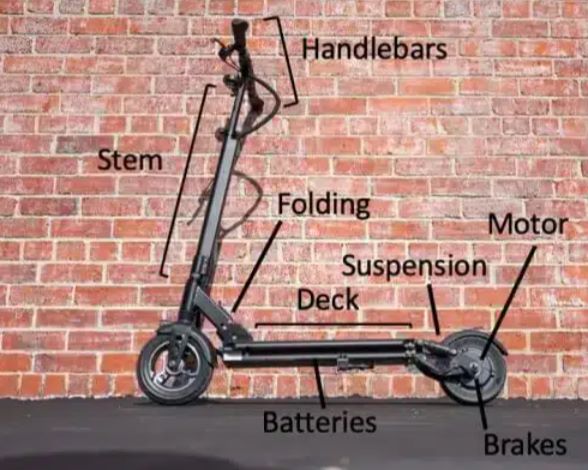
Parts of an Electric Scooter
Alright, let’s get down to the nitty-gritty. To truly appreciate the marvel that is an electric scooter, we need to understand its anatomy. So, let’s take a closer look at the key components that make up an electric scooter.
First up, we have the frame. This is the backbone of your scooter, the structure that holds everything together. The design of the frame plays a significant role in the scooter’s overall weight and durability. Some frames are made from lightweight materials like aluminum, while others might use heavier but more robust steel.
Next, let’s talk about the motor. This is the heart of your electric scooter, providing the power needed to get you moving. The motor’s power, measured in watts, can significantly impact the scooter’s speed and range. So, if you’re a speed demon or planning long commutes, you’ll want to pay close attention to this feature.
Now, onto the tires. These are your scooter’s shoes, providing traction and absorbing shocks from the road. Some scooters come with solid tires, which are puncture-proof but offer less cushioning. Others use pneumatic tires, which provide a smoother ride but require more maintenance.
Speaking of maintenance, let’s not forget about the brakes. These are crucial for your safety, allowing you to slow down or stop when needed. There are several types of brakes used in electric scooters, including disc brakes, drum brakes, and electronic brakes.
Finally, we have the battery. This is the fuel tank of your electric scooter, storing the energy needed to power your rides. The battery’s capacity will determine how many miles you can cover on a single charge. Plus, it’s worth noting that not all batteries are created equal. Some are removable and can be charged separately, while others are built into the scooter and require you to bring the whole scooter near a power outlet.
How Electric Scooters Work
Now that we’ve covered the parts, let’s talk about how they all come together. At its core, an electric scooter works by converting electrical energy stored in the battery into mechanical energy. This energy is then used to turn the wheels and propel the scooter forward. When you twist the throttle or press the acceleration button, the controller sends a signal to the motor to start spinning. The more you twist or press, the faster the motor spins, and the faster you go. It’s as simple as that! But of course, there’s a lot more going on under the hood.
From the complex circuitry that controls the scooter’s speed and braking to the sophisticated software that monitors the battery’s health and performance, electric scooters are a testament to the marvels of modern engineering.
Factors to Consider When Buying an Electric Scooter: Your Personalized Guide to Making the Right Choice
Purpose of the Scooter (Commuting, Recreation, Off-road)
So, you’ve decided to join the electric scooter revolution. That’s awesome! But before you hit that ‘Buy Now’ button, let’s take a moment to consider what you’ll be using your scooter for. Are you planning to use it for daily commuting, weekend recreation, or off-road adventures? The purpose of your scooter will significantly influence the features you should prioritize. For instance, if you’re commuting, you’ll want a scooter with a good range and speed. If you’re into off-roading, you’ll need a scooter with robust tires and suspension.
Rider’s Age and Experience
Next, consider the rider’s age and experience. Electric scooters aren’t one-size-fits-all. Some models are better suited for kids or beginners, while others are designed for adults or experienced riders. Make sure to choose a scooter that matches the rider’s skill level to ensure a safe and enjoyable ride.
Price Range
Now, let’s talk about money. Electric scooters come in various price classes, from budget-friendly options to high-end models. It’s important to set a budget before you start shopping. Remember, the most expensive scooter isn’t necessarily the best one for you. It’s all about finding a scooter that offers the features you need at a price you’re comfortable with.
Speed and Range
Speed and range are two critical factors to consider. If you’re using your scooter for commuting, you’ll want a model that can reach a decent speed and cover a good distance on a single charge. Keep in mind that these factors can be influenced by the scooter’s motor power and battery life.
Weight Capacity
Don’t forget to check the scooter’s maximum load. This is especially important if you’re a heavier rider or plan to carry items on your scooter. Overloading your scooter can damage it and reduce its performance.
Portability and Weight of the Scooter
If you’ll be carrying your scooter around or storing it in tight spaces, consider its weight and portability. Some scooters are lightweight and foldable, making them easy to transport and store.
Battery Life and Charging Time
Battery life is another crucial factor. It determines how far you can go on a single charge. Also, consider the charging time. Some batteries can take several hours to fully charge.
Tires and Suspension
Tires and suspension contribute to the scooter’s ride quality and off-road capabilities. Pneumatic tires and good suspension can provide a smoother ride, especially on rough terrains.
Safety Features (lights, reflectors, bells)
Safety should always be a priority. Look for scooters with essential safety features like lights, reflectors, and bells. These can enhance your visibility and alert others to your presence, reducing the risk of accidents.
Brand Reputation and Warranty
Finally, consider the brand’s reputation and the warranty offered. Reliable brands are more likely to provide high-quality scooters and good customer service. A warranty can provide peace of mind and protect your investment. These are the key factors to consider when buying an electric scooter. Remember, the best scooter is the one that fits your needs, preferences, and budget.
Types of Electric Scooters: Finding the Perfect Ride for You

For Kids
Let’s kick things off with electric scooters for kids. These models are typically designed with safety and simplicity in mind. They often feature lower speeds, robust design, and additional safety features like handlebar bells or lights. The weight of these scooters is usually on the lighter side, making them easier for young riders to handle. Remember, when choosing a scooter for a child, it’s crucial to consider the scooter’s maximum load and ensure it aligns with the child’s weight.
For Adults
Moving on to electric scooters for adults. These models are a step up in terms of power, speed, and range. They’re designed to accommodate heavier loads and often come with more advanced features like higher motor power, longer battery life, and more robust tires. Some adult electric scooters even come with water-resistance features, making them suitable for riding in various weather conditions.
For Commuting
If you’re looking to replace your daily commute with a more eco-friendly alternative, a commuting electric scooter might be just what you need. These scooters are designed with long-range capabilities, allowing you to travel greater distances on a single charge. They often feature foldable designs for easy storage and portability. Plus, they usually come with enhanced safety features like bright lights and reflectors to ensure you’re visible on busy city streets.
For Off-Road
For the adventurers out there, off-road electric scooters are your ticket to thrill. These beasts are built to handle rough terrains, thanks to their powerful motors, high-quality suspension, and durable, grippy tires. They’re typically heavier and more robust than other types, offering higher maximum loads and speeds. Just remember, with great power comes great responsibility, so always prioritize safety when tackling the great outdoors.
For Heavy Riders
Last but not least, we have electric scooters for heavy riders. These models are designed to support higher weight capacities without compromising on performance. They often feature reinforced frames, powerful motors, and larger, more durable tires. It’s important to note that these scooters may be heavier and less portable than other types, but they make up for it with their robust performance and durability.
Leading Electric Scooter Brands: A Closer Look at the Industry’s Finest
An In-Depth Look at Each Brand and Their Renowned Models
Navigating the world of electric scooter brands can be a bit like finding your way through a maze. With so many options, it’s easy to get lost. But don’t worry, I’m here to guide you through. Let’s explore some of the top electric scooter brands and their standout models, starting with two of the industry’s heavyweights.
Varla
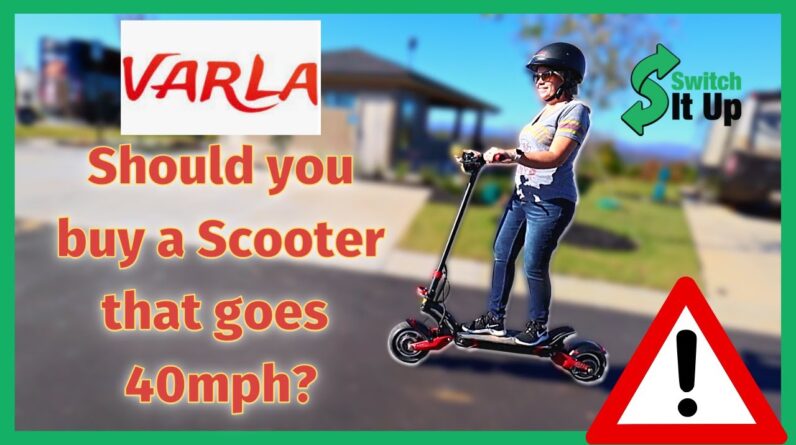
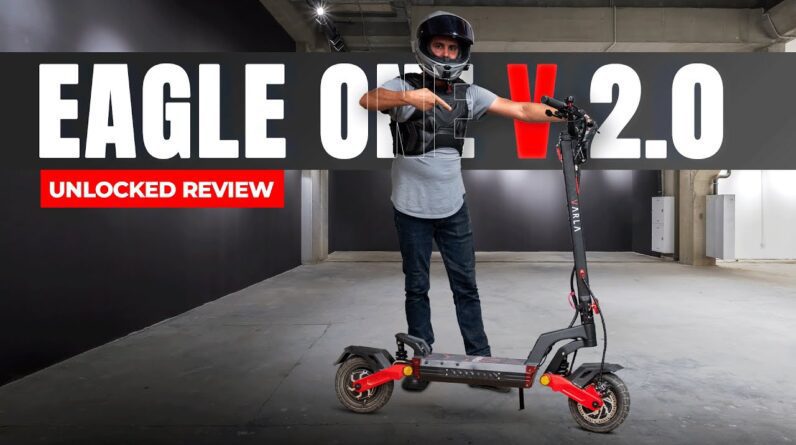
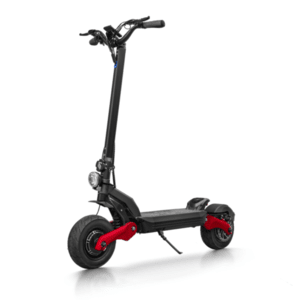
First in the spotlight is Varla, a brand that’s quickly gaining a reputation for its high-performance electric scooters. Varla scooters are known for their powerful motors, durable build, and off-road capabilities. If you’re an adrenaline junkie looking for a thrilling ride, Varla is a brand you’ll want to check out.
Apollo
Next, we have Apollo, a brand that’s synonymous with power and performance. Their Apollo Pro model is a crowd favorite, boasting a robust motor, impressive speed, and off-road readiness. Whether you’re commuting or seeking adventure, Apollo has got you covered.
Xiaomi
Moving on, we have Xiaomi, a tech giant renowned for its high-quality, budget-friendly products. Xiaomi’s electric scooters, like the popular Mi Electric Scooter Pro 2, are no exception. With their impressive specs and sleek designs, Xiaomi scooters offer excellent value for money.
Segway
Segway is another brand that’s made a name for itself in the world of personal electric transportation. Their Ninebot series, particularly the Ninebot Max, is loved for its sturdy build, long range, and smooth ride. It’s a reliable choice for both commuting and leisurely rides.
Razor
If you’re shopping for younger riders, don’t overlook Razor. This brand is known for its kid-friendly designs and safety features. Models like the Razor E100, with its moderate speed and user-friendly controls, are perfect for kids taking their first ride on an electric scooter.
Unagi
Finally, we have Unagi, a brand that marries style with innovation. Their Unagi Model One, with its sleek design, dual motors, and unique one-click folding system, is a testament to their commitment to innovation. Remember, the best brand is the one that aligns with your needs, preferences, and budget. Take your time, do your research, and you’re sure to find your perfect ride.
Essential Electric Scooter Accessories and Maintenance Tips: Your Guide to a Smooth and Safe Ride
Essential Electric Scooter Accessories
Alright, folks, let’s talk accessories. Just like a superhero needs a utility belt, every electric scooter rider needs a set of essential accessories to enhance their riding experience. So, let’s dive into some of the must-haves.
Helmets, Lights and Bags
First and foremost, safety comes first, and that means helmets. A good helmet can be a lifesaver, literally. Make sure to choose one that fits well and meets safety standards. Next up, lights. If you plan on riding after dark, lights are a must. They’ll help you see and, more importantly, be seen. Look for scooters with built-in lights or invest in some aftermarket ones. And let’s not forget about storage. A good bag or backpack can make carrying your essentials a breeze. Some even come with special compartments for your helmet or other accessories.
How to Maintain Your Electric Scooter
Now that we’ve covered accessories, let’s move on to maintenance. Just like any vehicle, your electric scooter needs regular care to keep it running smoothly. Here are some tips to help you out.
Battery Care
The battery is the heart of your electric scooter, and it needs some TLC. Make sure to charge it regularly, even if you’re not using the scooter. Also, avoid draining the battery completely as it can shorten its lifespan.
Tire Maintenance
Your scooter’s tires are its only contact with the ground, so they need to be in top shape. Regularly check for wear and tear, and keep them at the right pressure. If your scooter has pneumatic tires, be prepared for the occasional puncture.
Regular Check-ups and Cleaning
Finally, make it a habit to give your scooter a once-over every now and then. Check for loose screws, worn-out parts, or any other potential issues. Also, keep your scooter clean. A quick wipe down after a ride can go a long way in keeping it looking and running its best. Remember, a well-equipped and well-maintained scooter is a joy to ride.
Troubleshooting Common Electric Scooter Issues
Even the best electric scooters can run into issues from time to time. But don’t worry, most problems are easily fixable. Let’s take a look at some common issues and how to troubleshoot them.
Battery Problems
If your scooter’s battery isn’t holding a charge or draining too quickly, it might be a sign of a battery problem. First, check if the charger is working properly. If it is, the battery itself might be the issue. In this case, you might need to replace the battery. Remember, always use a charger and battery that are compatible with your scooter model to avoid any potential damage.
Brake Issues
Brake issues can range from squeaking noises to a complete failure to stop. If you’re experiencing brake problems, first check if the brake pads are worn out and need replacing. If the pads are fine, there might be an issue with the brake cable or the brake disc. In any case, if you’re not confident in fixing brake issues yourself, it’s best to take your scooter to a professional.
Motor Problems
Motor problems can manifest as a loss of power, strange noises, or the scooter not moving at all. If you’re facing motor issues, check if the motor is clean and free of debris. If the problem persists, it might be a more serious issue like a burnt-out motor, which will need professional attention.
Troubleshooting Common Electric Scooter Issues
Even the best electric scooters can run into issues from time to time. But don’t worry, most problems are easily fixable. Let’s take a look at some common issues and how to troubleshoot them.
Battery Problems
If your scooter’s battery isn’t holding a charge or draining too quickly, it might be a sign of a battery problem. First, check if the charger is working properly. If it is, the battery itself might be the issue. In this case, you might need to replace the battery. Remember, always use a charger and battery that are compatible with your scooter model to avoid any potential damage.
Brake Issues
Brake issues can range from squeaking noises to a complete failure to stop. If you’re experiencing brake problems, first check if the brake pads are worn out and need replacing. If the pads are fine, there might be an issue with the brake cable or the brake disc. In any case, if you’re not confident in fixing brake issues yourself, it’s best to take your scooter to a professional.
Motor Problems
Motor problems can manifest as a loss of power, strange noises, or the scooter not moving at all. If you’re facing motor issues, check if the motor is clean and free of debris. If the problem persists, it might be a more serious issue like a burnt-out motor, which will need professional attention.
Safety Tips for Riding an Electric Scooter
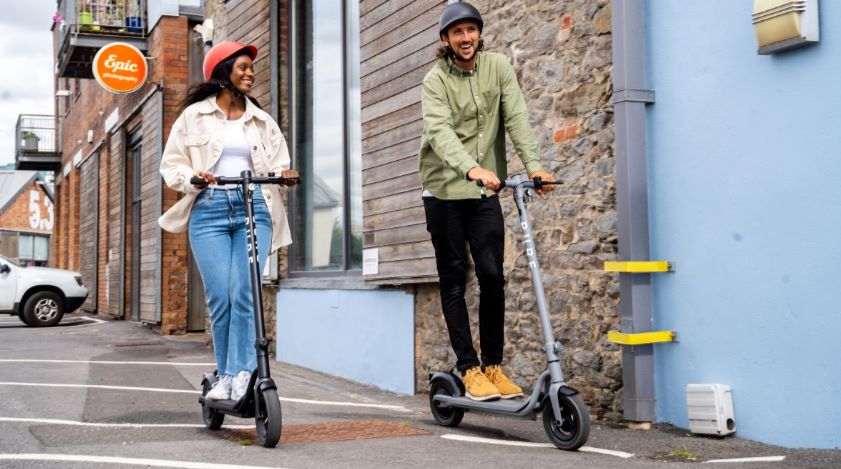
Now that we’ve covered troubleshooting, let’s talk safety. Riding an electric scooter is a lot of fun, but it’s important to stay safe while doing so. Here are some tips to help you out.
Protective Gear
Always wear protective gear when riding an electric scooter. This includes a helmet, knee and elbow pads, and gloves. These can significantly reduce the risk of injury in case of a fall or collision.
Rules of the Road
Just like any other vehicle, electric scooters must follow the rules of the road. This includes obeying traffic signals, not riding on sidewalks (unless allowed by local laws), and always giving way to pedestrians.
Scooter Etiquette
Finally, let’s talk about scooter etiquette. Be respectful of others, whether they’re pedestrians, cyclists, or drivers. Don’t weave in and out of traffic, and always park your scooter in designated areas, not blocking sidewalks or entrances.
Legal Considerations for Electric Scooters: Navigating the Rules of the Road
Where You Can and Can’t Ride
Alright, folks, let’s talk legality. As fun and convenient as electric scooters are, it’s important to remember that they’re not allowed everywhere. The rules can vary widely depending on where you live, so it’s crucial to familiarize yourself with the local laws. In some places, electric scooters are treated like bicycles, meaning you can ride them on roads, bike lanes, and sometimes even on sidewalks. In other places, they’re considered motor vehicles, which means they’re subject to stricter regulations and may require a license to operate. And then there are places where electric scooters are outright banned, usually for safety reasons. So, before you hop on your scooter, make sure you know where you can and can’t ride.
Required Age and Licenses
Another important legal consideration is the age and license requirements. Again, this can vary greatly from place to place. Some areas have a minimum age requirement for electric scooter riders, often around 16 years old. Others may require riders to have a valid driver’s license or a special permit. It’s also worth noting that even if your area doesn’t have specific age or license requirements for electric scooters, it’s still important to ensure that the rider is capable of handling the scooter safely. This is especially true for younger riders or those new to electric scooters.
Environmental Impact of Electric Scooters
Comparison with Other Modes of Transport
Let’s get real, folks. We all know that traditional modes of transport, like cars and motorcycles, aren’t exactly friends of the environment. But what about electric scooters? How do they stack up? Well, the good news is that electric scooters are generally more eco-friendly than their gas-guzzling counterparts. They emit zero direct emissions, which means they don’t contribute to air pollution while they’re zipping around town. Plus, they’re incredibly energy-efficient. Compared to a car or even an electric car, an electric scooter uses a fraction of the energy to travel the same distance. But it’s not all sunshine and rainbows. The production and disposal of electric scooters can have a significant environmental impact. This includes the extraction and processing of raw materials, manufacturing, transportation, and end-of-life disposal.
How to Recycle or Dispose of Old Scooters
So, what happens when your trusty electric scooter reaches the end of its life? Well, it’s important to dispose of it responsibly. Many parts of an electric scooter, like the metal frame and electric components, can be recycled. However, the battery, often a lithium-ion one, requires special handling due to its potential environmental and health hazards. Some electric scooter brands offer take-back programs, where they’ll take your old scooter and ensure it’s recycled or disposed of properly. If this isn’t an option, check with your local waste management facility. They can guide you on how to dispose of electronic waste responsibly. Just remember, as a rider, you can make a difference by riding responsibly and disposing of your old scooter properly.
The Future of Electric Scooters
The Future of Electric Scooters
Alright, folks, let’s take a peek into the future. Electric scooters have come a long way in a short time, but what’s next on the horizon?
Upcoming Models
First up, let’s talk about upcoming models. Many top electric scooter brands are constantly innovating, coming up with new models that push the boundaries of speed, range, and features. Keep an eye out for scooters with improved water resistance, higher maximum loads, and more efficient batteries. The future of electric scooters is looking bright, and I, for one, can’t wait to see what’s coming.
Advancements in Technology
Next, let’s talk tech. Advancements in technology are driving the evolution of electric scooters. From more powerful motors to smarter lighting systems to better brakes, the tech that powers electric scooters is constantly improving. We can expect future electric scooters to be safer, more efficient, and more fun to ride.
Tips for First-Time Electric Scooter Riders
Now, for those of you who are new to the world of electric scooters, I’ve got some tips to help you get started.
Getting Started
First things first, make sure you’re familiar with your scooter’s features and how to use them. This includes understanding how to control the speed, how to brake effectively, and how to use any built-in lighting or safety features.
Riding Techniques
When it comes to riding techniques, practice makes perfect. Start slow, get a feel for the scooter’s balance and controls, and gradually increase your speed as you get more comfortable. And remember, safety first! Always wear a helmet and other protective gear.
Conclusion
So, there you have it, folks! A comprehensive guide to electric scooters, from understanding their features and choosing the right model to troubleshoot common issues and riding safely. We’ve also taken a glimpse into the future of electric scooters, and it’s safe to say that the e-scooter revolution is just getting started. As we wrap up, I want to encourage all of you to embrace the world of electric scooters responsibly. Remember, a well-maintained scooter and a well-informed rider make for a safe and enjoyable ride. So, gear up, stay safe, and most importantly, have fun. Happy riding, folks!